Company News
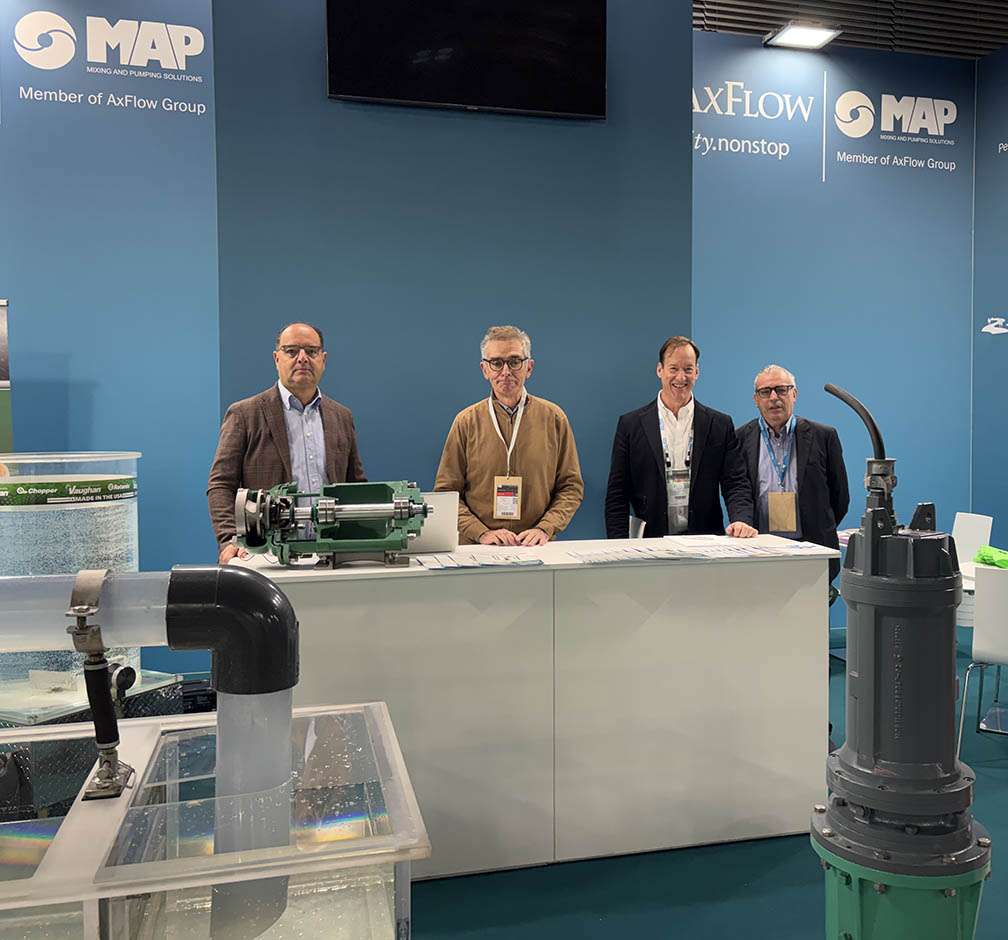
Meet Blue-White® and MAP at Ecomondo, Europe’s Leading Green Transition Expo
Our Team is at the Ecomondo Environmental Show in Italy – Europe’s

In water treatment operations, chemical metering systems are used to dose many aggressive fluids that can be dangerous to operators and equipment. These include chemicals like sodium hypochlorite, strong acids, caustic solutions, and more.
Most chemical metering injuries happen during maintenance or failures, not normal operation. A fitting fails, or a technician drains a line or changes tubing and gets sprayed by chemical still trapped inside. The consequences include chemical burns and eye injuries, damaged equipment, corroded concrete, and regulatory fines.
The best place to begin when protecting personnel is by ensuring the chemical metering system is designed with safety in mind. This means engineering systems that include safer connections and fittings, as well as using metering pumps with the most advanced sensors and leak prevention features. Of course, operators must also use appropriate personal protective equipment (PPE) and follow proper protocols when working with chemicals and metering systems.
While the sudden rupture of a pump head tube is immediately obvious, slow, undetected leaks can quietly destroy pump housings and surrounding equipment, along with electrical conduits, and civil infrastructure, all while causing severe process under-dosing. Even worse, when diaphragms fail, the pump may continue stroking without dosing any chemical, impacting water quality until downstream monitoring systems trigger SCADA alarms.
This is particularly problematic at remote sites or satellite lift stations that may go unmonitored for extended periods. Operators may unknowingly enter an unmonitored room with an active slow leak, exposing themselves to toxic fumes and direct chemical exposure. If there is more than one leak, there is an additional risk that incompatible spilled chemicals – e.g., sodium hypochlorite and acid – could mix and produce even more dangerous gases.
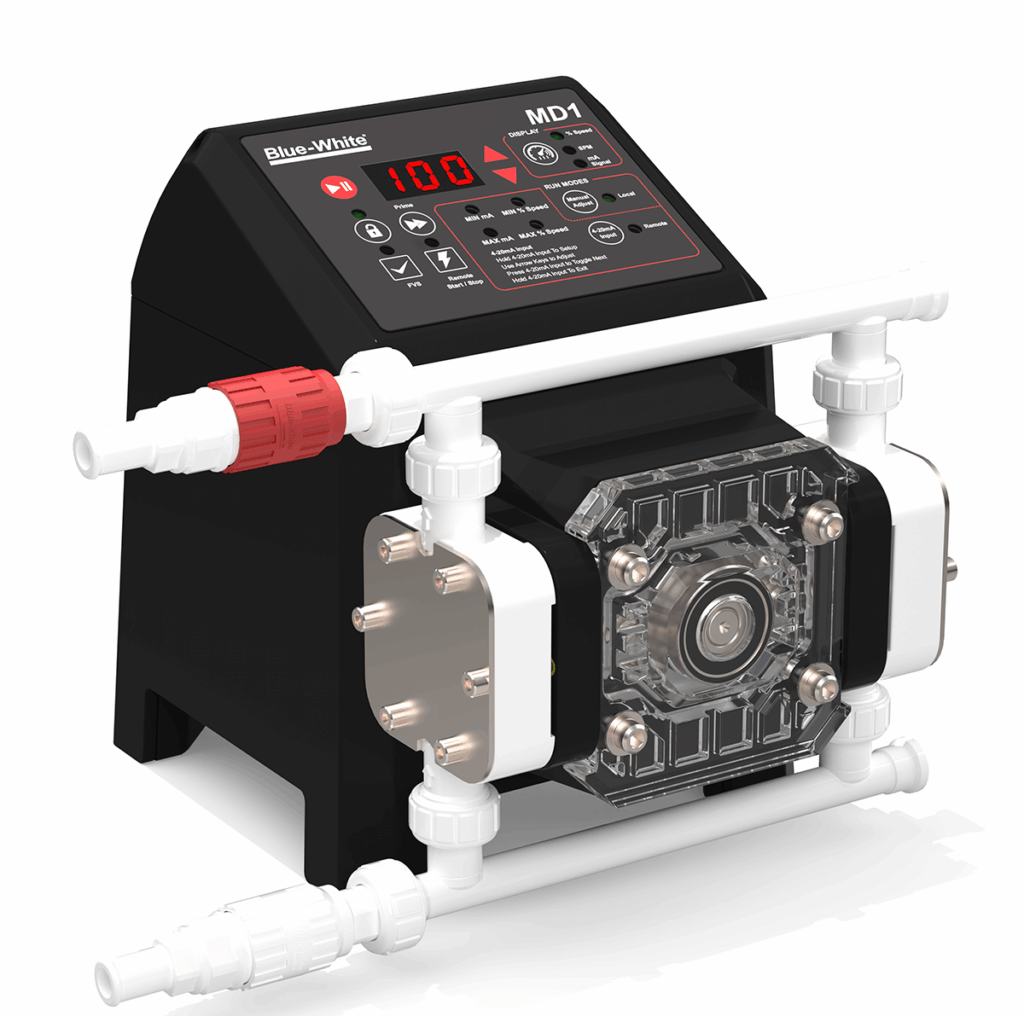
One way to prevent or mitigate the impact of leaks is to use peristaltic pumps equipped with a specialized tube failure detection (TFD) system. This technology uses sealed sensing probes inside the pump head to detect conductive chemicals such as sodium hypochlorite; the instant that fluid escapes the tube. If fluid is detected, the system immediately stops the pump motor, and the fluid is contained within the sealed head, reducing the risk of external spills.
Leak detection is not a new technology. Yet many operators deliberately disable leak detectors because condensation, ambient humidity, or tube lubricants can trigger false alarms in older models. To address these issues, modern TFD systems include built-in sensitivity adjustments that can be set to ignore high humidity, temperature swings and condensation. This helps ensure they trip only on active chemical presence. When a leak is detected, the system can be set to alert SCADA systems, sound audible alarms, send mobile notifications to operators, close pneumatic isolation valves, or automatically start a secondary standby pump.
More advanced leak detection systems can even detect low-conductivity or non-conductive fluids, such as polymers or oils, which may not trigger standard conductive probes. Blue-White Industries’ TFD+, for example, utilizes an infrared (IR) beam inside the pump head. When liquid escapes, it refracts the IR beam, triggering the sensor regardless of conductivity.
A simple and effective method of ensuring safety is to properly service pumps before problems occur. In the case of Peristaltic Pumps, a built-in revolution counter can alert the operator it is time to change the pump tube before there’s a leak. When a tube is estimated to have less than 5% of service life remaining, operators are alerted and tubes can be changed during scheduled downtime.
With diaphragm pumps routine maintenance is a must. Check valves, diaphragms, O-ring seals and the pump head itself should all be regularly cleaned to avoid build-up.
Operators can also be exposed to chemicals when uncoupling pressurized fittings, draining lines, or handling loose tubing containing trapped chemicals. Blue-White® Quick Disconnects allow the operator to safely and quickly disconnect the suction and discharge tubing or piping connections to the pump.
The quick disconnects make tube changes easier for peristaltic pumps while keeping chemicals from spilling or spraying during maintenance. For diaphragm pumps quick disconnects allow for simple maintenance with minimal chemical drippage. Systems should also include discharge fittings with automatic check valves, which block high pressure header backflow when the tube assembly is removed. In addition, suction fitting valves can be used to seal the fluid column, keeping the suction pipe primed and preventing chemicals from draining back into bulk tanks or splashing onto floor skids.
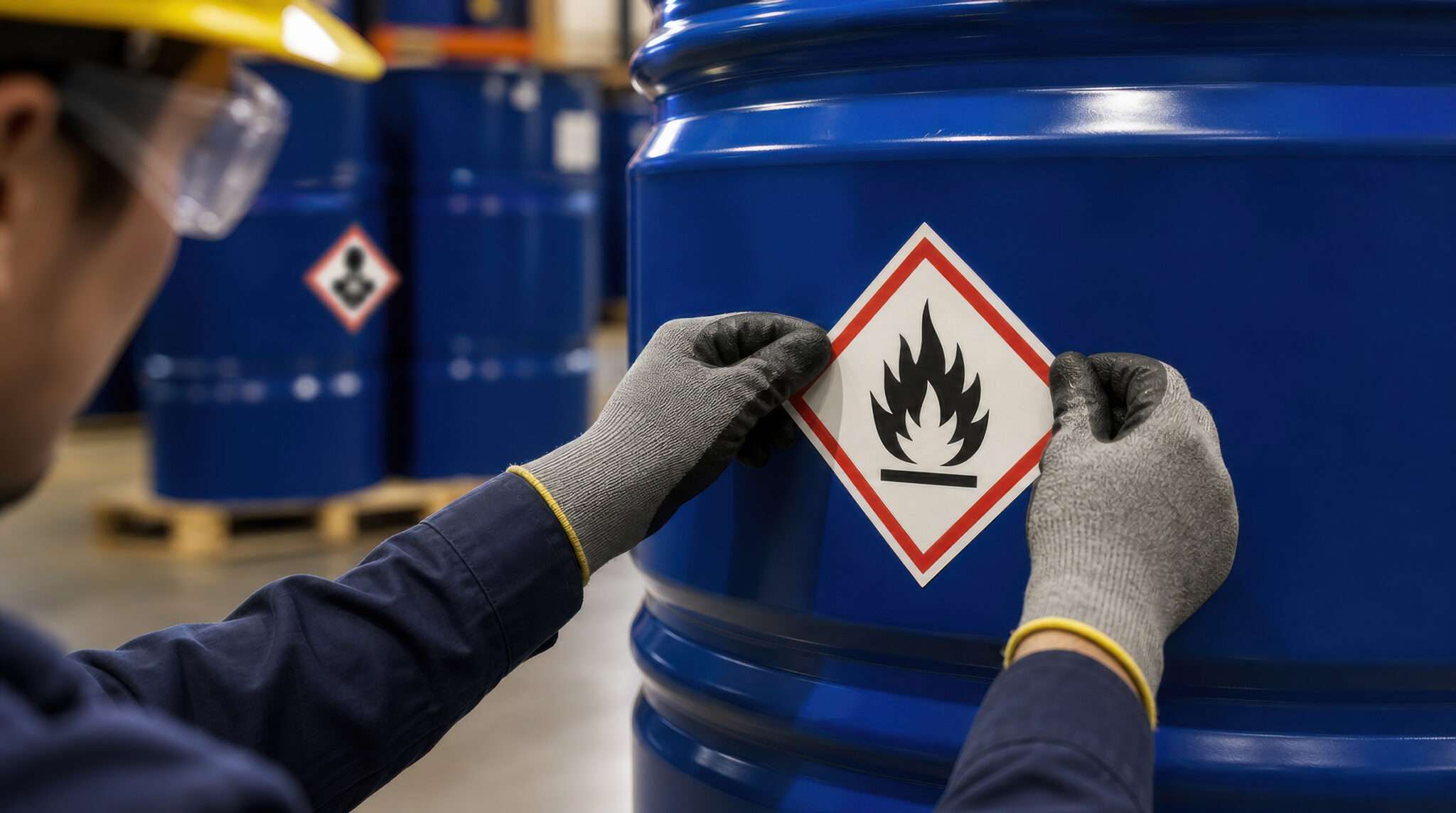
The simplest safety measures require no equipment at all. By clearly labeling all piping with the associated chemical name, concentration, direction of flow, and line pressure, facilities can help ensure operators and maintenance personnel approach work with the appropriate level of caution and protection. Skid-mounted hazard signs can also help identify specific chemicals and risks for operators and emergency first responders, should an accident occur.
Chemical dosing in water treatment carries inherent safety risks to operators, equipment, and other personnel. A thoughtfully designed system and fully-featured chemical metering pump can help reduce risk.
Written by:
Blue-White® Industries
714-893-8529
Our Team is at the Ecomondo Environmental Show in Italy – Europe’s

polymer dosing pump for thick slippery polymers: learn how the right chemical metering pump prevents degradation and diaphragm head problems
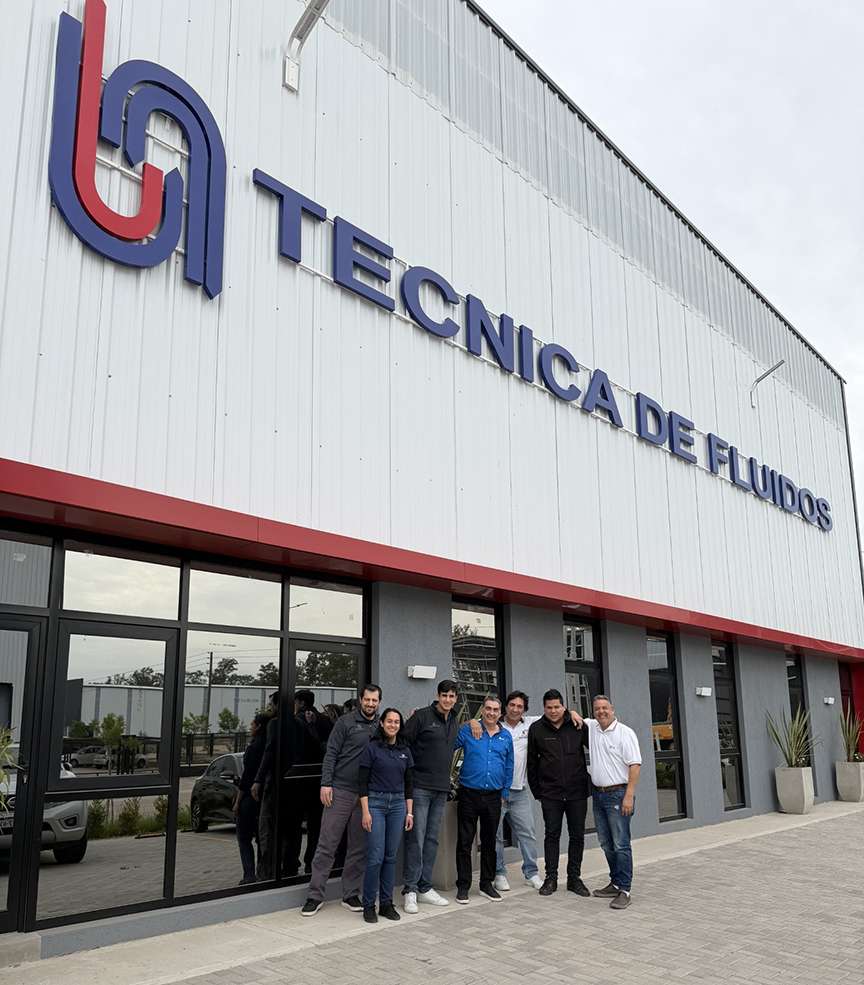
Blue-White distributor training in Argentina: peristaltic pump training at Tecnica De Fluidos’ new distributor facility, with how to schedule pump training
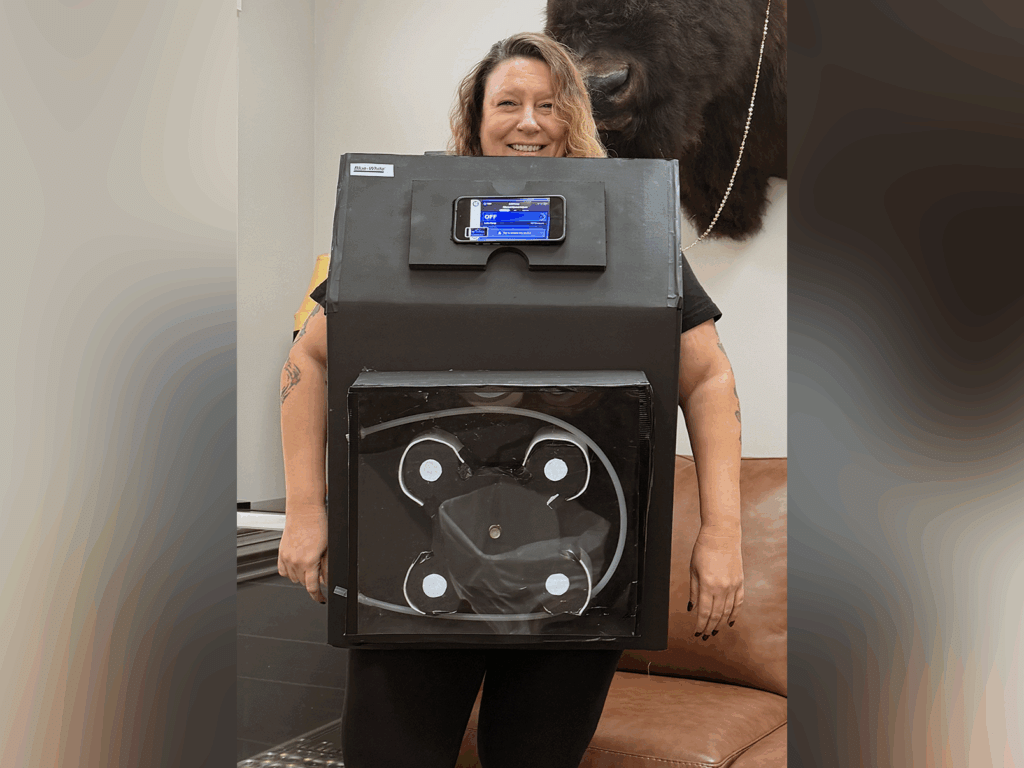
M5 peristaltic pump Halloween costume contest shines with the Blue-White M class peristaltic pump costume at the AWWA Women of Water meeting