Company News
Something Groundbreaking Is Coming to WEFTEC26
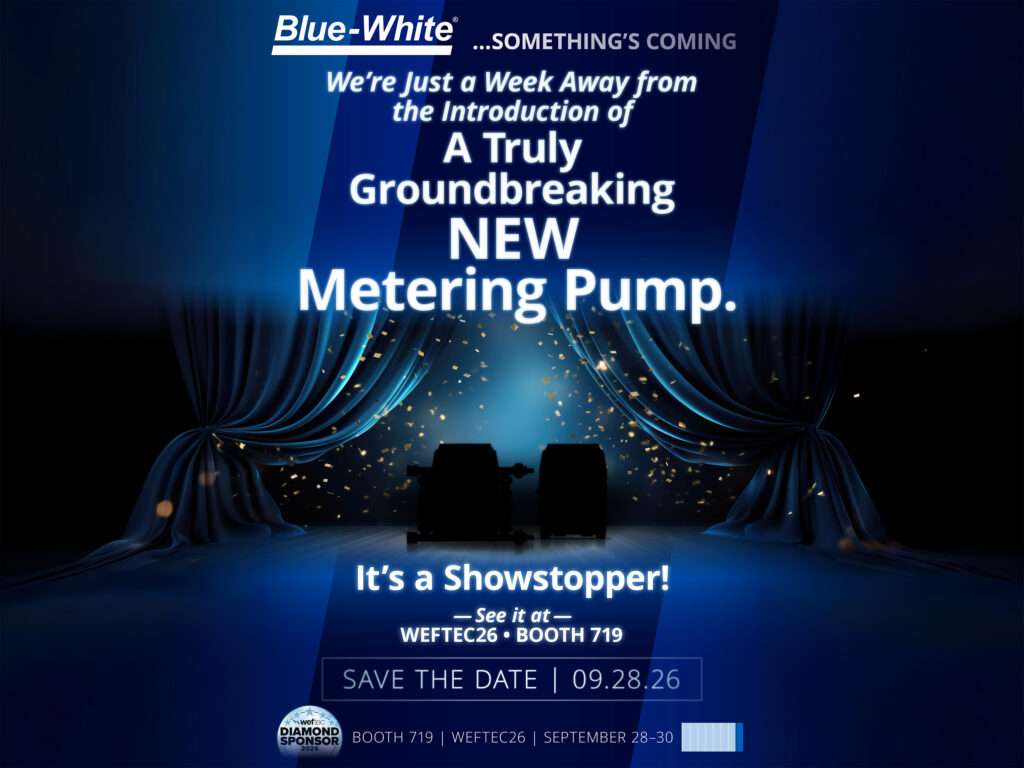
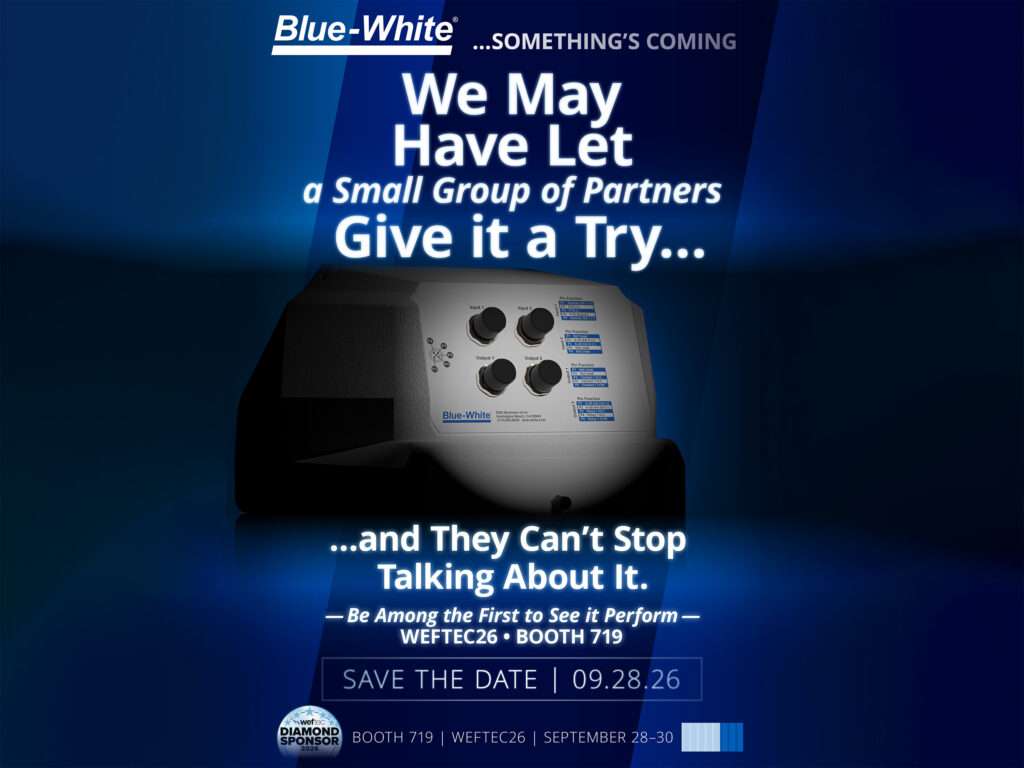
… SOMETHING’S COMING We’re Just a Week Away from the Introduction of

Continuity of processes is of the utmost importance in any water treatment application. As such, the prospect of upgrading legacy chemical dosing infrastructure often carries a significant amount of logistical anxiety. On one hand, the process of retrofitting active chemical feed lines, while maintaining strict water quality mandates, can seem like an overwhelming task. On the other hand, continuing to operate with aging, inefficient equipment means accepting increased maintenance procedures and an ever-increasing risk of failure.
With planning, and the right equipment, modernizing these systems does not have to result in unscheduled shutdowns or regulatory noncompliance. By shifting from traditional field-built methods to modular, pre-engineered skid architectures, it is possible for facilities to condense installation windows from weeks to a single day.
Historically, chemical feed systems have been built on site. This approach can be fraught with hidden costs and multiple potential points of failure. For example, field-built systems without sufficient redundancy can mean a single pump failure may affect the entire system, becoming an emergency that requires immediate intervention to keep the plant online.
In addition, labor costs associated with sourcing several individual components from a variety of vendors are substantial. Even worse, system failures can turn troubleshooting into a multi-vendor coordination problem, delaying diagnosis and resolution.
From a technical point of view, field-built systems are also prone to misapplications. For example, one often seen failure occurs when gauges are installed too far from the pump. This can result in inaccurate pressure readings, and those inaccurate readings can lead to excessive wear, causing diaphragms to work harder, or peristaltic tubes to fail well before their designed service life.
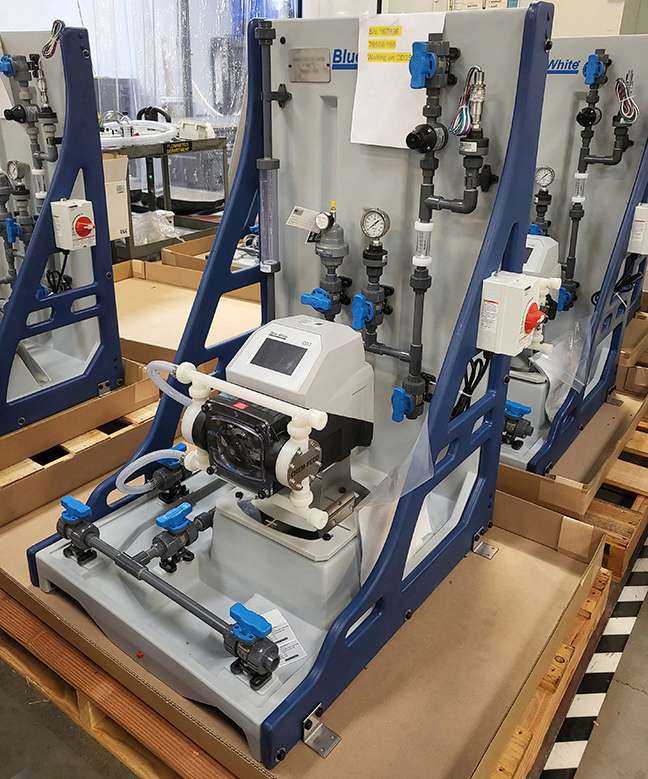
To overcome these challenges, modern facilities are looking more to factory-built, pre-tested modular architecture. The transition to a drop-in-place system, such as a CHEM-FEED® Simplex, Duplex or Triplex prefab Skid System, fundamentally changes the modernization timeline. Rather than spending weeks on site-specific plumbing and wiring, operators can receive a fully configured and complete metering system that has already been factory-tested for the application.
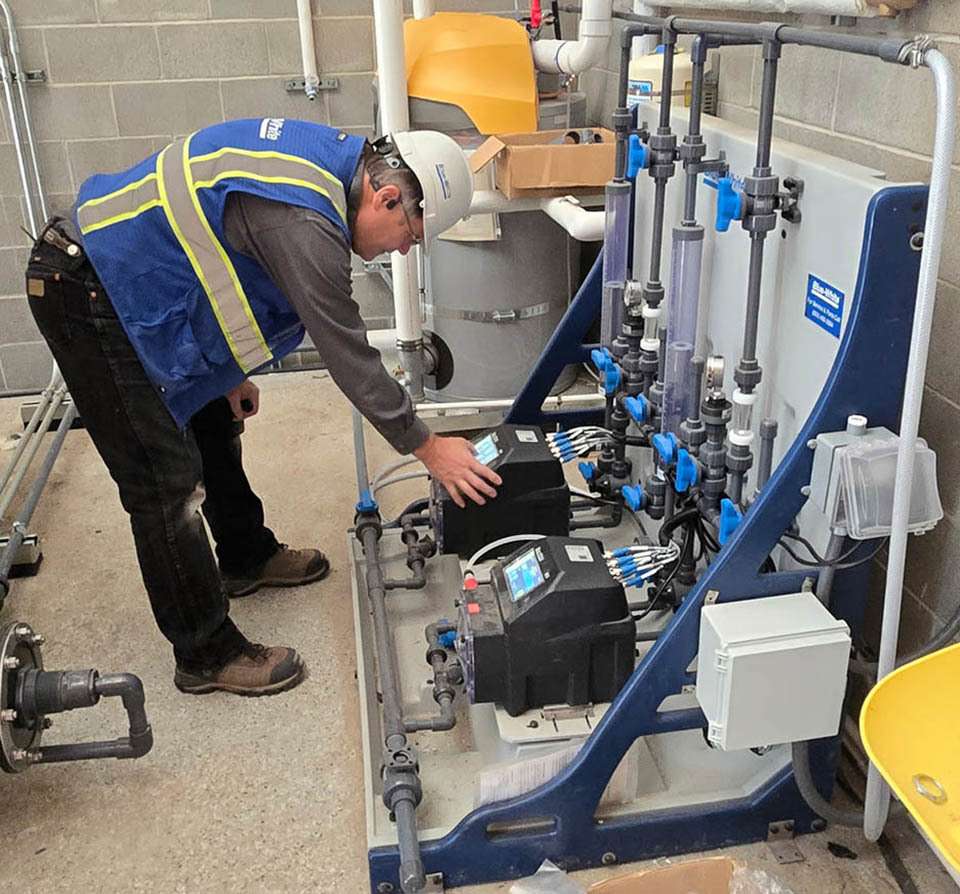
These skids are designed as plug-and-play units. They are delivered with all critical components — including pumps, pressure gauges, flow indicators, and calibration cylinders — integrated into a single footprint (Figure 1). This single-source approach ensures that every component is optimized to work together, eliminating the risk of forgetting a critical sensor or relay during the design phase.
The most effective strategy for modernizing without disruption is implementing redundancy. For example, a duplex skid system features dual pumps and specialized piping configurations that allow for bypass pumping. This setup ensures that if one pump requires a tube change or valve cleaning, the secondary pump immediately activates. The result is a constant chemical injection rate without downtime.
This shift from a single-pump system to a redundant duplex system can result in a far more efficient workflow for the operator. When properly configured, the system handles the transition automatically, allowing maintenance to become a scheduled task that is performed during normal business hours. This can significantly reduce operational stress and labor costs.
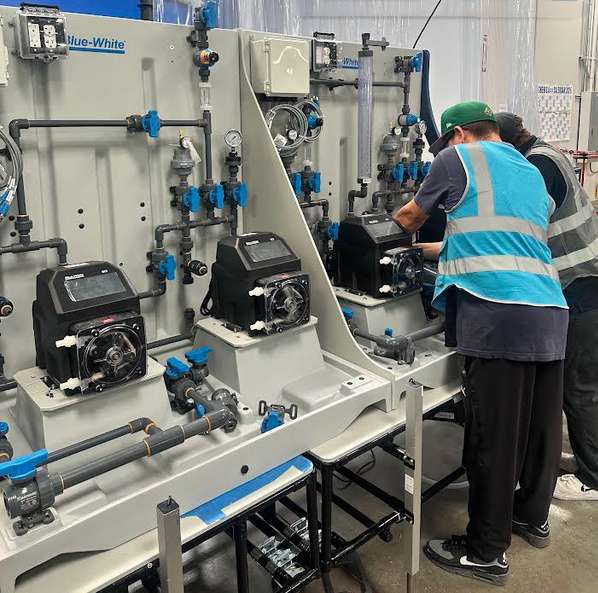
Modular skids are designed for quick and easy installation. For most water treatment applications, the process involves three primary steps:
Altogether, this streamlined approach shortens the physical install window to just a few hours, allowing plants to swap out an entire legacy system during a low-demand period. This helps facilities maintain treatment continuity and compliance during the transition.
Are you considering a Complete Metering System but need custom components or design modifications? Blue- White®’s Custom Engineered Skid Systems close that gap between site built and prefab units. The BW engineering team works directly with distributors, reps, plant managers, and design engineers to configure a system precisely matched to the application at hand – so customers get exactly what the project requires.
Up-front collaboration ensures the finished system meets every requirement, with the flexibility to include only what’s needed. Multiple connection options simplify tie-in to facility piping, and unionized components make service and replacement straightforward. Complete documentation means your team can maintain the system with confidence for years to come.
Modernizing a chemical feed system is a significant capital investment, and plant managers want to protect that investment for years to come. Moving away from field-built, manual processes toward automated, modular skids can reduce installation and maintenance labor while improving system reliability over time.
Standardizing with a factory-built skid ensures that when support is needed, there is only one number to call. It simplifies the maintenance schedule, while minimizing the risk of unscheduled disruption, and most importantly, keeps the plant running smoothly
In the modern water landscape, where veteran operators are retiring and regulatory scrutiny is increasing, the shift toward hassle-free, drop-in-place infrastructure retrofits is not just for convenience — it is a strategic necessity. Modular skid systems offer the most reliable path to a future-proof facility that is ready for anything.
Written by:
Blue-White® Industries
714-893-8529
… SOMETHING’S COMING We’re Just a Week Away from the Introduction of
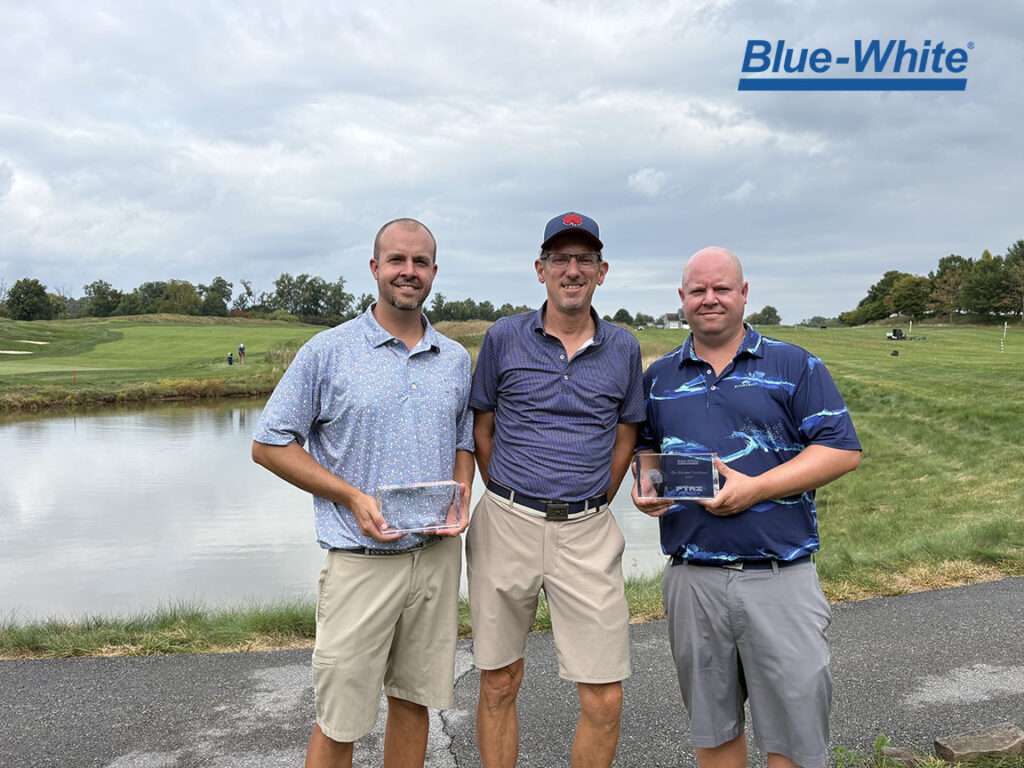
Blue-White TWO Award presented to Pyrz Water for Top Municipal Distributor in the Mid-Atlantic territory, a water industry distributor recognition
analog to digital controls in municipal water treatment replace limited 4-20mA loops with predictive automated chemical metering and SCADA Ethernet
Words Like Groundbreaking, Revolutionary, and Innovative are Just a Few of the